Mold is a pervasive issue that can silently infiltrate your home, causing significant damage and health risks. In Elizabeth, NJ, where humidity levels can rise, understanding the signs that indicate the need for mold remediation is crucial. This article will guide you through the various indicators of mold presence, the potential health implications, and the importance of seeking professional help from a mold specialist in Elizabeth, NJ.
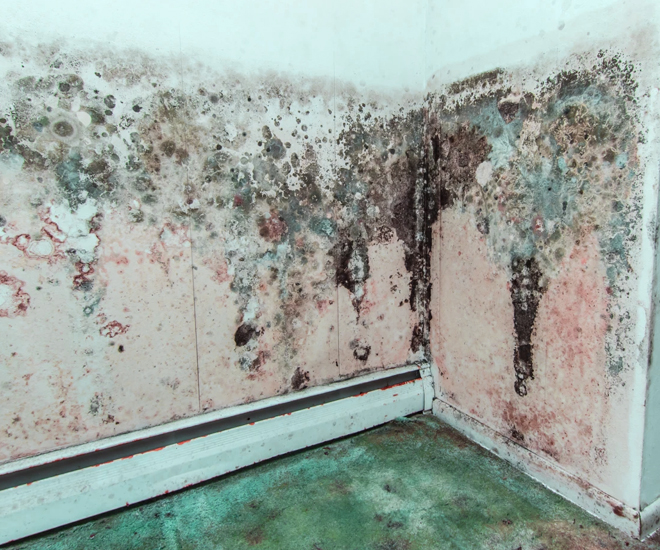
Mold is a type of fungus that thrives in damp environments. It can grow on various surfaces, including wood, drywall, and even fabric. While some mold types are harmless, others can pose serious health risks, particularly to individuals with allergies or respiratory conditions.
Exposure to mold can lead to a range of health issues, including:
Understanding these risks underscores the importance of addressing mold issues promptly.
Identifying mold in your home early can prevent extensive damage and health complications. Here are some common signs that indicate you may need mold remediation.
A persistent musty smell is often the first indication of mold growth. This odor is caused by the release of volatile organic compounds (VOCs) from mold spores. If you notice a damp, earthy scent, especially in areas prone to moisture, it’s time to investigate further.
Mold can appear in various colors, including black, green, and white. Look for discolored patches on walls, ceilings, and floors. If you see mold growth, it’s essential to act quickly to prevent it from spreading.
Water stains on ceilings, walls, or floors are clear indicators of moisture issues that can lead to mold growth. If you’ve experienced leaks or flooding, inspect these areas closely for signs of mold.
Frequent condensation on windows or walls can create an environment conducive to mold growth. If you notice moisture buildup, it’s crucial to address the underlying humidity issues.
Certain areas in your home are more susceptible to mold due to higher humidity levels. Understanding these high-risk zones can help you monitor for mold more effectively.
Basements are often damp and poorly ventilated, making them prime locations for mold growth. Regular inspections and dehumidification can help mitigate this risk.
The combination of steam from showers and poor ventilation creates an ideal environment for mold. Ensure your bathroom is well-ventilated and regularly check for mold in corners and around fixtures.
Kitchens can accumulate moisture from cooking and dishwashing. Keep an eye on areas around sinks and appliances for signs of mold.
Attics can trap heat and moisture, especially if not properly ventilated. Inspect this area regularly, particularly after heavy rains or snow melts.
If you or your family members are experiencing unexplained health issues, mold could be the culprit. Here are some symptoms to watch for:
Coughing, wheezing, and difficulty breathing can indicate mold exposure, particularly for those with asthma or allergies.
Rashes or skin irritation can occur when mold spores come into contact with the skin. If you notice these symptoms, consider checking for mold in your home.
Chronic fatigue and frequent headaches can also be linked to mold exposure. If these symptoms improve when you leave your home, it may be time to investigate further.
If you suspect mold in your home, hiring a mold expert in Elizabeth, NJ, is essential. Professionals have the tools and expertise to identify hidden mold and assess the extent of the problem.
A mold specialist will conduct a thorough inspection, looking for visible mold and using specialized equipment to detect hidden growth. This comprehensive assessment is crucial for effective remediation.
Professional mold inspectors can collect air and surface samples for laboratory analysis. This testing helps identify the type of mold present and informs the remediation strategy.
Mold remediation can be hazardous, especially if toxic mold is present. Professionals follow strict safety protocols to protect themselves and your family during the removal process.
While professional help is often necessary, there are some DIY methods you can use to check for mold in your home.
Regularly inspect areas prone to moisture for visible signs of mold. Look for discoloration, water stains, and any musty odors.
Using a moisture meter can help you identify areas with high humidity levels. This tool can be particularly useful in basements and attics.
If you suspect mold but cannot see it, consider collecting samples using tape or swabs. These samples can be sent to a lab for analysis.
If you discover mold in your home, taking immediate action is crucial. Here are the steps to follow for effective mold removal.
Seal off the affected area to prevent mold spores from spreading. Use plastic sheeting to cover doors and vents.
When removing mold, wear appropriate PPE, including gloves, masks, and goggles, to protect yourself from exposure.
Use effective cleaning solutions, such as vinegar or specialized mold removers, to clean affected surfaces. Avoid using bleach, as it may not penetrate porous materials effectively.
After cleaning, ensure the area is thoroughly dried to prevent mold from returning. Use fans and dehumidifiers to help with this process.
Once you’ve addressed existing mold issues, it’s essential to take steps to prevent future growth.
Keep indoor humidity levels between 30% and 50% to discourage mold growth. Use dehumidifiers in high-humidity areas like basements and bathrooms.
Ensure proper ventilation in your home, especially in areas prone to moisture. Use exhaust fans in kitchens and bathrooms to expel humid air.
Conduct regular inspections and maintenance to identify and address potential moisture issues before they lead to mold growth.
While DIY methods can be helpful, some situations require professional intervention. Here are scenarios where you should call a mold remediation expert in Elizabeth, NJ.
If you discover mold covering more than 10 square feet, it’s best to seek professional help. Large infestations can be challenging to manage without expertise.
If you suspect mold in hidden areas, such as behind walls or under flooring, a professional can conduct a thorough inspection and testing.
If you or your family members experience health issues related to mold exposure, consult a mold expert to assess the situation and recommend remediation.
Mold is a serious issue that can affect both your home and health. By recognizing the signs of mold presence and understanding the importance of timely remediation, you can protect your family and property. If you suspect mold in your Elizabeth, NJ home, don’t hesitate to contact a mold specialist for a thorough inspection and effective remediation. Taking proactive steps now can save you from costly repairs and health complications in the future.
For More information about Mold Remediation Services in Elizabeth NJ, Contacts us:
Green Guard Mold Specialist Elizabeth
Address:919 S Elmora Ave, Elizabeth, NJ 07202
Phone: 888-861-7846
Website:https://www.greenguardmoldelizabeth.com/