Indoor air quality is a crucial aspect of maintaining a healthy living environment, yet many homeowners overlook it. In New Jersey, where homes can be sealed tightly during long winters, the air inside can become significantly more polluted than the air outside. This article will explore the signs that indicate you may need air quality testing New Jersey in your home, helping you safeguard your family's health and well-being.
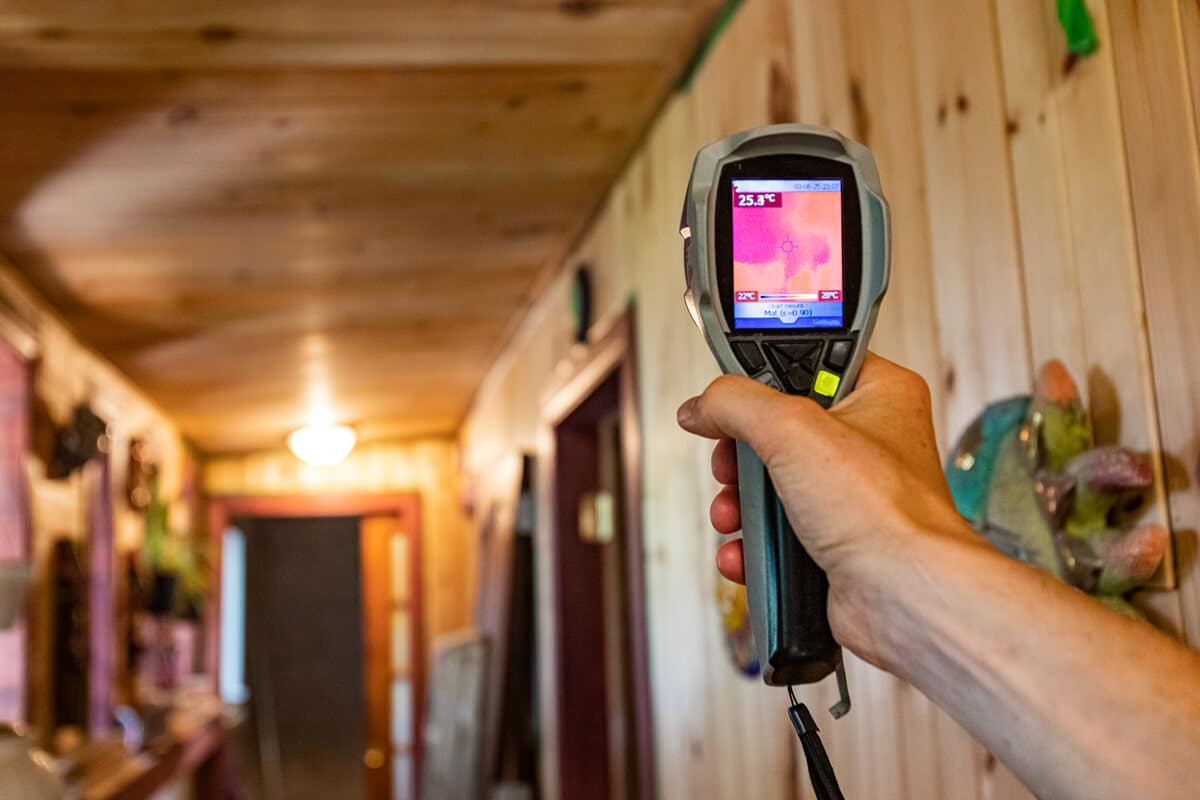
Indoor air quality (IAQ) refers to the condition of the air within and around buildings, particularly as it relates to the health and comfort of occupants. Poor air quality can stem from various sources, including mold, dust, volatile organic compounds (VOCs), and other pollutants. In New Jersey, where older homes and specific environmental factors contribute to air quality issues, understanding the importance of IAQ is essential.
Several common pollutants can affect indoor air quality:
Regular air quality testing is vital for identifying hidden pollutants and ensuring a safe living environment. Testing can reveal the presence of harmful substances and help homeowners take appropriate action to improve their indoor air quality.
Recognizing the signs of poor indoor air quality is the first step toward addressing potential issues. Here are some key indicators that you may need air quality testing in your New Jersey home.
One of the most noticeable signs of poor air quality is the presence of strange or musty odors. These smells can indicate mold growth or the accumulation of VOCs from household products. If you notice persistent odors that don't dissipate, it's time to consider an air quality assessment.
If you or your family members experience frequent sneezing, coughing, or itchy eyes, it may be a sign of airborne allergens. Common allergens include dust, pet dander, and mold spores. An air quality test can help identify the specific allergens present in your home and guide you in mitigating their effects.
Regular headaches, especially when they occur more frequently indoors, can be a symptom of poor air quality. Pollutants such as carbon monoxide and VOCs can contribute to headaches and other discomforts. If you find that headaches are a common occurrence in your home, it may be time to schedule an air quality test.
Feeling unusually tired or lethargic can also be linked to indoor air quality issues. Poor ventilation and high levels of CO2 can lead to a lack of fresh air, resulting in fatigue. If you notice a decline in your energy levels while at home, consider having your air quality tested.
If you or your family members have pre-existing respiratory conditions, such as asthma or chronic obstructive pulmonary disease (COPD), poor indoor air quality can exacerbate these issues. Symptoms like wheezing, shortness of breath, or increased coughing may indicate the need for air quality testing.
If your home has experienced water damage, whether from flooding or leaks, it's essential to have the air quality tested. Water damage can lead to mold growth, which can significantly impact indoor air quality. Even if the visible damage has been repaired, hidden mold may still pose a risk.
High humidity levels can create an environment conducive to mold growth and dust mite proliferation. If you notice excessive moisture in your home, such as condensation on windows or dampness in the air, it may be time to consider air quality testing.
Home renovations can introduce new materials and chemicals into your living space, potentially affecting air quality. If you've recently completed a renovation, it's wise to have your indoor air quality tested to ensure that no harmful substances are present.
As seasons change, so do the types of allergens present in the air. If you find that your allergies worsen during specific times of the year, it may be beneficial to have your indoor air quality tested. This can help identify any seasonal allergens that may be infiltrating your home.
While pets bring joy to our lives, they can also contribute to indoor air quality issues. Pet dander and hair can trigger allergies and asthma symptoms. If you have pets and notice increased allergy symptoms, consider testing your air quality to identify potential allergens.
Older homes often have outdated ventilation systems and materials that can contribute to poor air quality. If your home is older and you haven't had an air quality assessment in a while, it may be time to schedule one to ensure your indoor environment is safe.
If someone in your household has chronic health issues or a weakened immune system, maintaining good indoor air quality is crucial. Regular air quality testing can help identify potential hazards and ensure a safe living environment for vulnerable individuals.
Understanding the air quality testing process can help you feel more comfortable when scheduling an assessment. Here’s what to expect during an air quality test in New Jersey.
Before testing begins, a qualified professional will conduct an initial consultation to discuss your concerns and any symptoms you've noticed. This step helps the technician understand the specific issues you may be facing.
A thorough visual inspection of your home will be conducted to identify any obvious signs of air quality issues, such as mold growth, water damage, or ventilation problems. This inspection provides valuable context for the testing process.
During the testing process, air samples will be collected from various areas of your home. These samples will be analyzed for pollutants, allergens, and other harmful substances. The technician may also check for moisture levels and humidity.
Once samples are collected, they will be sent to a certified laboratory for analysis. The lab will test for common indoor air pollutants, including mold spores, VOCs, carbon monoxide, and other harmful substances.
After the analysis is complete, you will receive a detailed report outlining the findings. This report will include information on any pollutants detected, their levels, and recommendations for improving your indoor air quality.
If your air quality test reveals issues, there are several steps you can take to improve the air in your home.
Improving ventilation is one of the most effective ways to enhance indoor air quality. Open windows, use exhaust fans, and consider installing an air exchange system to bring in fresh air and reduce indoor pollutants.
Maintaining optimal humidity levels (between 30-50%) can help prevent mold growth and reduce allergens. Use dehumidifiers in damp areas and ensure proper ventilation in bathrooms and kitchens.
Regular cleaning can help reduce dust, allergens, and other pollutants in your home. Vacuum carpets and upholstery frequently, and use air purifiers with HEPA filters to capture airborne particles.
If you experience water damage, address it immediately to prevent mold growth. Repair leaks, dry out affected areas, and consider professional mold remediation if necessary.
When purchasing household products, opt for low-VOC or VOC-free options. This includes paints, cleaning supplies, and furniture, which can help reduce harmful emissions in your home.
To maintain a healthy indoor environment, consider scheduling regular air quality testing. This proactive approach can help identify potential issues before they become significant problems.
Maintaining good indoor air quality is essential for the health and well-being of your family. By recognizing the signs that indicate the need for air quality testing, you can take proactive steps to ensure a safe living environment. In New Jersey, where unique environmental factors can contribute to air quality issues, regular assessments are crucial. If you suspect that your indoor air quality may be compromised, don't hesitate to reach out to a qualified professional for testing and recommendations. Your family's health is worth it.
For more information about air quality testing services in New Jersey, contact us:
New Jersey Mold Specialist
Address:92 Bayard St #203, New Brunswick, NJ 08901
call us:(732) 973-9352
Email: info@njmoldspecialist.com
Website:https://njmoldspecialist.com/