Mold can pose significant health risks and structural damage to homes, making mold inspection in New Jersey an essential service for homeowners. Understanding what to expect during a mold inspection can help you prepare and ensure that the process is thorough and effective. This article will guide you through the various stages of a mold inspection, the techniques used, and the importance of hiring professionals for mold detection in New Jersey.
Mold is a type of fungus that thrives in damp environments. It can grow on various surfaces, including wood, drywall, and carpets, and can release spores into the air, leading to potential health issues. Common symptoms of mold exposure include respiratory problems, allergic reactions, and skin irritations.
Mold can weaken the structural integrity of a home. It can cause wood to rot and lead to costly repairs if not addressed promptly.
Regular mold inspections are crucial for maintaining a healthy living environment. They help identify hidden mold growth and prevent future infestations.
It is advisable to have a professional mold inspection at least once a year, especially in humid climates. However, if you notice any signs of mold or water damage, you should schedule an inspection immediately.
Understanding the mold inspection process can help alleviate any concerns you may have. Here’s a breakdown of what typically occurs during an inspection.
The process begins with an initial consultation where the inspector will discuss your concerns and any visible signs of mold. This conversation is crucial for understanding the specific areas that need attention.
The inspector will conduct a thorough visual examination of your property. This includes:
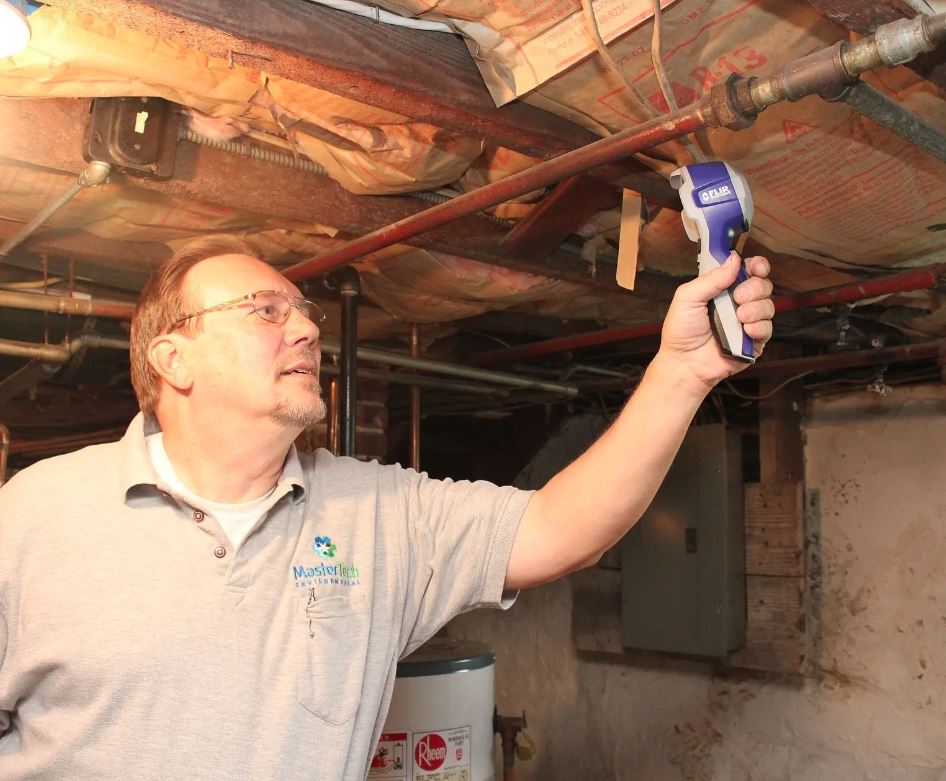
Modern mold inspectors utilize advanced technology to detect hidden mold. This may include:
If mold is suspected, the inspector may take samples for laboratory analysis. There are several methods for mold sampling:
Air samples are collected to determine the concentration of mold spores in the air. This method is effective for identifying hidden mold that may not be visible.
Surface samples can be taken using swabs or tape lifts. These samples help identify the type of mold present on surfaces.
In some cases, a piece of material (like drywall) may be removed for testing. This method is used when significant mold growth is suspected.
Once samples are collected, they are sent to a certified laboratory for analysis. The results will indicate the type of mold present and its concentration levels.
The laboratory report will provide detailed information about the mold types found and their potential health risks. It’s essential to have a qualified professional interpret these results to determine the next steps.
Based on the inspection findings, the inspector will recommend a mold remediation plan if necessary. This plan will outline the steps needed to remove the mold and prevent future growth.
Hiring a professional mold inspector is crucial for effective mold detection in New Jersey. Here are some reasons why:
Professional inspectors have the training and experience to identify mold issues that may go unnoticed by untrained individuals. They understand the various types of mold and their associated risks.
Mold removal can be hazardous, especially if toxic mold is present. Professionals follow strict safety protocols to protect themselves and your family during the inspection and remediation process.
A professional mold inspection includes not only the identification of mold but also recommendations for remediation and prevention strategies.
After the mold inspection, you will receive a detailed report outlining the findings and recommendations. Here’s what to do next:
Carefully review the inspection report with your mold inspector. Ask questions about any findings and the recommended remediation steps.
If mold is detected, it’s essential to plan for remediation as soon as possible. Delaying action can lead to further mold growth and increased health risks.
Implementing preventive measures is crucial for maintaining a mold-free environment. This may include:
Mold inspection in New Jersey is a vital process for maintaining a healthy home environment. By understanding what to expect during a mold inspection, you can take proactive steps to protect your family and property. Regular inspections, prompt action, and professional assistance are key to effective mold detection and remediation. If you suspect mold in your home, don’t hesitate to contact a qualified mold inspector to ensure your living space remains safe and healthy.
For more information about Mold inspection in New Jersey, contact us:
New Jersey Mold Specialist
Address:92 Bayard St #203, New Brunswick, NJ 08901
call us:(732) 973-9352
Email: info@njmoldspecialist.com