Ensuring Healthy Indoor Environments: Air Quality Testing in Hackensack, NJ

February 6, 2026

Indoor air quality is a critical aspect of maintaining a healthy living or working environment. In Hackensack, NJ, where humidity levels can fluctuate significantly, the risk of mold growth increases, making air quality testing essential for homeowners and business owners alike. This article delves into the importance of air quality testing Hackensack NJ, the process involved, and how it can safeguard your health and property.
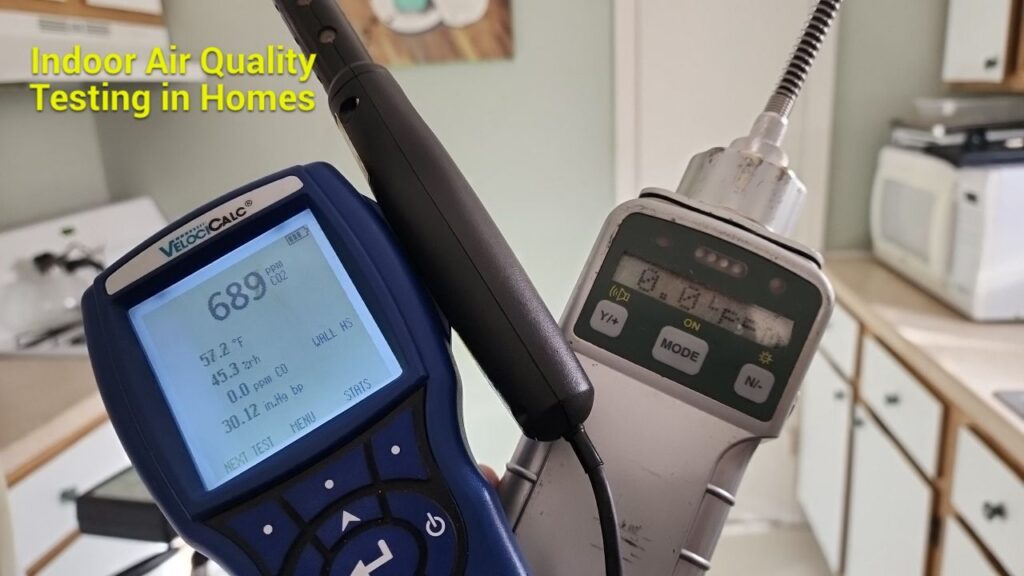
Residential Indoor Air Quality Testing & Mold Sampling, Inspection ...

Understanding Indoor Air Quality

Indoor air quality (IAQ) refers to the condition of the air within buildings and structures, particularly as it relates to the health and comfort of occupants. Poor IAQ can lead to various health issues, including respiratory problems, allergies, and other serious conditions.

Common Indoor Air Pollutants

Several factors contribute to poor indoor air quality , including:

  • Mold Spores: Mold can thrive in damp environments, releasing spores into the air that can trigger allergic reactions and respiratory issues.
  • Volatile Organic Compounds (VOCs): These are emitted by various household products, including paints, cleaning supplies, and building materials.
  • Dust and Allergens: Dust mites, pet dander, and pollen can accumulate indoors, exacerbating allergies and asthma.
  • Carbon Dioxide: High levels can indicate inadequate ventilation, leading to discomfort and cognitive impairment.

The Importance of Air Quality Testing

Regular air quality testing is vital for identifying potential hazards in your indoor environment. It helps in:

  • Early Detection: Identifying mold and other contaminants before they become visible or cause health issues.
  • Health Protection: Reducing the risk of health problems associated with poor air quality.
  • Verification of Remediation: Ensuring that any mold remediation efforts have been successful.

The Air Quality Testing Process

Understanding the air quality testing process can help you appreciate its significance and the steps involved in ensuring a safe indoor environment.

Initial Assessment

The first step in air quality testing involves a thorough assessment of the property. This includes:

  • Visual Inspection: Trained professionals will inspect areas prone to moisture, such as basements, bathrooms, and kitchens.
  • Identifying Sources of Contamination: They will look for signs of mold growth, water damage, and other potential sources of indoor air pollutants.

Sample Collection

Once the initial assessment is complete, the next step is to collect samples for analysis. This can include:

  • Air Samples: Airborne mold spores and other contaminants are collected using specialized equipment.
  • Surface Samples: Swabs or tape lifts may be used to collect samples from surfaces suspected of harboring mold.

Laboratory Analysis

The collected samples are sent to a certified laboratory for analysis. Here, experts will:

  • Identify Mold Types: Determine the specific types of mold present in the environment.
  • Measure Concentration Levels: Assess the concentration of various contaminants to evaluate the severity of the issue.
  • Compare to Outdoor Baselines: Analyze the indoor air quality against outdoor levels to identify anomalies.

Benefits of Professional Air Quality Testing

Engaging professionals for air quality testing offers numerous advantages, ensuring that you receive accurate and reliable results.

Expertise and Experience

Certified professionals possess the knowledge and experience necessary to conduct thorough assessments and interpret results accurately. They can identify potential health risks and recommend appropriate remediation strategies.

Advanced Equipment

Professional testing services utilize advanced technology and equipment to ensure precise measurements. This includes:

  • Air Sampling Pumps: For collecting air samples over a specified period.
  • Mold Spore Traps: To capture airborne spores for laboratory analysis.

Comprehensive Reporting

After testing, you will receive a detailed report outlining the findings, including:

  • Types of Contaminants Detected: A breakdown of the specific mold species and other pollutants found.
  • Recommendations for Remediation: Guidance on how to address any identified issues effectively.

Mold Testing and Remediation in Hackensack

In Hackensack, NJ, mold testing and remediation services are crucial for maintaining healthy indoor air quality. Understanding the local context can help homeowners and business owners make informed decisions.

Local Climate Considerations

Hackensack's climate, characterized by high humidity levels, creates an ideal environment for mold growth. This makes regular air quality testing even more critical for residents and businesses.

Choosing a Mold Testing Service

When selecting a mold testing service in Hackensack, consider the following:

  • Certifications and Experience: Ensure the company is certified and has a proven track record in mold testing and remediation.
  • Customer Reviews: Look for testimonials and reviews from previous clients to gauge the quality of service.
  • Comprehensive Services: Choose a provider that offers a full range of services, including testing, remediation, and follow-up assessments.

Preventing Mold Growth

While air quality testing is essential for identifying existing issues, prevention is equally important in maintaining a healthy indoor environment.

Control Humidity Levels

Keeping humidity levels below 60% can significantly reduce the risk of mold growth. Consider the following strategies:

  • Use Dehumidifiers: These devices can help maintain optimal humidity levels, especially in damp areas.
  • Ventilation: Ensure proper ventilation in areas prone to moisture, such as bathrooms and kitchens.

Regular Inspections

Conducting regular inspections of your property can help identify potential mold growth before it becomes a significant issue. Look for:

  • Water Leaks: Check for leaks in plumbing, roofs, and windows that could lead to moisture accumulation.
  • Condensation: Monitor areas where condensation may occur, such as around windows and air conditioning units.

Promptly Address Water Damage

If you experience water damage, address it immediately to prevent mold growth. This includes:

  • Drying Affected Areas: Use fans and dehumidifiers to dry out wet areas quickly.
  • Removing Damaged Materials: Dispose of any materials that cannot be adequately dried, such as carpets or drywall.

Health Implications of Poor Air Quality

Understanding the health implications of poor indoor air quality can motivate homeowners and business owners to prioritize air quality testing.

Respiratory Issues

Exposure to mold and other indoor pollutants can lead to various respiratory problems, including:

  • Asthma: Mold spores can trigger asthma attacks and exacerbate symptoms in individuals with existing conditions.
  • Allergies: Allergens in the air can cause allergic reactions, leading to symptoms such as sneezing, coughing, and itchy eyes.

Long-Term Health Risks

Prolonged exposure to poor air quality can result in more severe health issues, including:

  • Chronic Respiratory Diseases: Conditions such as chronic bronchitis can develop from long-term exposure to indoor pollutants.
  • Neurological Effects: Some studies suggest that exposure to certain mold species may be linked to neurological issues.

Conclusion

In Hackensack, NJ, ensuring healthy indoor air quality through regular air quality testing is essential for protecting the health and well-being of occupants. By understanding the importance of testing, the process involved, and the benefits of professional services, homeowners and business owners can take proactive steps to maintain a safe and healthy environment.

Investing in air quality testing not only safeguards your health but also enhances the overall quality of life in your home or workplace. Don't wait for mold to become a visible problem; prioritize air quality testing today to ensure a healthier tomorrow.


For more information about Air Quality Testing in Hackensack, NJ, please contact:

Green Guard Mold Remediation Hackensack

Address: 60 Court St, Hackensack, NJ 07601, United States

Phone: +1 551-324-9713

Email: info@greenguardmoldhackensack.com

Website: https://greenguardmoldhackensack.com/

Grow your business.
Today is the day to build the business of your dreams. Share your mission with the world — and blow your customers away.
Start Now

Heading