1072 words / 6427 characters
Mold growth can be a significant concern for homeowners and business owners alike, especially in areas like Edison, NJ, where humidity levels can be high. The presence of mold not only damages property but can also pose serious health risks. This article will delve into the essential aspects of mold removal in Edison, NJ, providing insights into the remediation process, prevention strategies, and the importance of professional services.
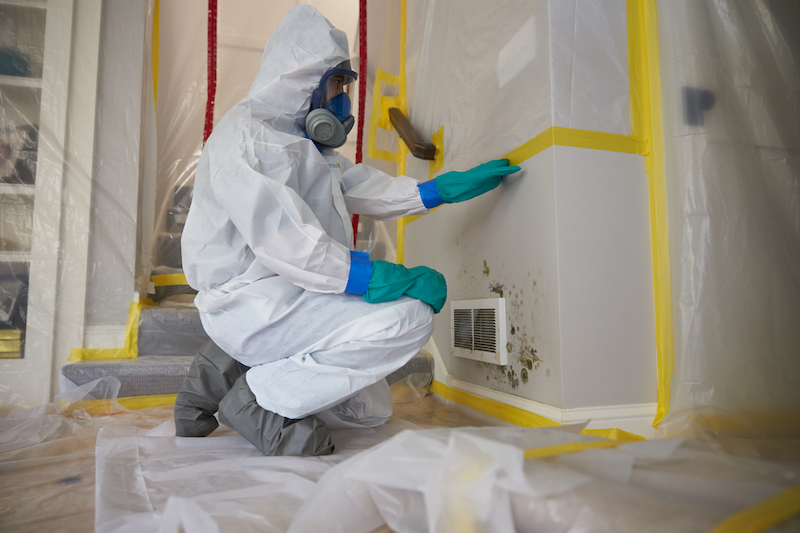
Mold is a type of fungus that thrives in damp, warm environments. It reproduces through spores that can easily become airborne and spread throughout a property. Understanding the risks associated with mold is crucial for effective management.
Exposure to mold can lead to various health issues, particularly for sensitive individuals. Common health effects include:
Mold can cause significant structural damage to buildings. It can weaken walls, ceilings, and floors, leading to costly repairs. Additionally, mold can ruin personal belongings, including furniture and clothing.
Recognizing the signs of mold growth is the first step in addressing the issue. Homeowners should be vigilant for the following indicators:
Mold often appears as black, green, or white patches on surfaces. Common areas to check include:
A persistent musty smell can indicate hidden mold growth. If you notice this odor, it’s essential to investigate further.
Previous water damage, such as leaks or flooding, can create an environment conducive to mold growth. Inspect areas that have experienced water issues for signs of mold.
When mold is detected, it’s crucial to act quickly. The mold remediation process typically involves several key steps:
A professional mold remediation service will conduct a thorough inspection to assess the extent of the mold problem. This includes identifying moisture sources and determining the type of mold present.
To prevent the spread of mold spores during the removal process, containment measures are implemented. This may involve sealing off affected areas and using negative air pressure systems.
The actual removal process involves:
After mold removal, it’s essential to thoroughly dry the affected areas. Dehumidifiers and fans are often used to ensure that moisture levels are kept low, preventing future mold growth.
Once the mold has been removed and the area dried, restoration work may be necessary. This can include repairing or replacing damaged materials to restore the property to its original condition.
While some homeowners may attempt DIY mold removal, hiring professionals is often the best course of action. Here are several reasons why:
Professional mold remediation companies have the training and specialized equipment necessary to effectively remove mold. They can identify hidden mold and ensure that it is completely eradicated.
Mold removal can pose health risks, especially if the mold is extensive. Professionals are trained to handle hazardous materials safely, minimizing exposure risks.
A professional service not only removes existing mold but also addresses the underlying causes, helping to prevent future infestations.
Prevention is key to avoiding mold issues in the first place. Here are some effective strategies:
Keeping indoor humidity levels below 60% can significantly reduce the likelihood of mold growth. Use dehumidifiers in damp areas and ensure proper ventilation throughout the home.
Any leaks from plumbing or roofs should be repaired immediately. Regularly inspect areas prone to water damage to catch issues early.
Good air circulation can help keep surfaces dry. Open windows when weather permits and use fans to promote airflow in stagnant areas.
If you encounter a small mold problem, you may be able to handle it yourself. Here are some tips for effective DIY mold removal:
For small areas, a mixture of water and detergent can be effective. For more stubborn mold, consider using a solution of vinegar or hydrogen peroxide.
When cleaning mold, always wear gloves, goggles, and a mask to protect yourself from spores and cleaning chemicals.
Open windows and doors to ensure good airflow while cleaning. This helps to disperse mold spores and reduce inhalation risks.
While small mold issues can sometimes be managed independently, certain situations warrant professional intervention:
If mold covers a large area (greater than 10 square feet), it’s best to call in experts.
If anyone in the household has respiratory issues or allergies, professional help is recommended to ensure safe removal.
If mold keeps returning despite your efforts, it may indicate an underlying issue that needs professional assessment.
The cost of mold remediation can vary widely based on several factors, including:
On average, homeowners can expect to pay between $500 and $6,000 for mold remediation, depending on the severity of the issue.
Mold removal in Edison, NJ, is a critical service that protects both health and property. By understanding the risks associated with mold, recognizing the signs of growth, and knowing when to seek professional help, homeowners can effectively manage mold issues. Implementing preventive measures can further safeguard against future infestations, ensuring a safe and healthy living environment.