Mold detection is a critical aspect of maintaining a healthy living environment, especially in areas like Hackensack, NJ, where humidity levels can contribute to mold growth. Understanding the importance of mold inspections and testing can help homeowners and property managers safeguard their spaces from potential health risks associated with mold exposure. This guide will delve into the various facets of mold detection in Hackensack, NJ, including the inspection process, health implications, and preventive measures.
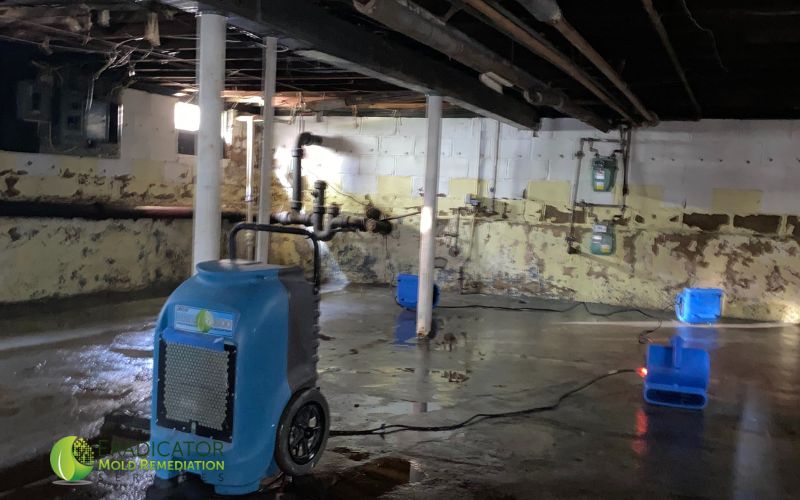
Mold is a type of fungus that thrives in damp, warm environments. It can grow on various surfaces, including wood, drywall, and carpets. While some mold is harmless, others can produce allergens and irritants that pose health risks, particularly to sensitive individuals.
Exposure to mold can lead to a range of health issues, including:
Recognizing the signs of mold growth is crucial for timely intervention. Common indicators include:
Mold detection is essential for several reasons:
A thorough mold inspection involves several steps to ensure accurate detection and assessment.
The process typically begins with an initial consultation where the inspector gathers information about the property. This includes:
The inspector conducts a comprehensive visual examination of the property, focusing on areas prone to moisture, such as:
If mold is suspected, various testing methods may be employed, including:
Mold testing is a critical component of the detection process. It provides valuable data about the type and concentration of mold present in a property.
There are several types of mold tests, including:
Once testing is complete, the results are analyzed to determine the presence and type of mold. This information is crucial for developing an effective remediation plan if necessary.
If mold is detected, remediation is essential to eliminate the problem and prevent future growth.
The remediation process typically involves:
After remediation, follow-up testing is crucial to confirm that mold levels are safe and that the remediation efforts were successful.
Preventing mold growth is often more effective than dealing with it after it occurs. Here are some strategies to keep your home mold-free:
Maintaining indoor humidity levels below 60% can significantly reduce the risk of mold growth. Consider using:
Proper ventilation is key to preventing moisture buildup. Ensure that:
Conducting regular inspections of your property can help identify potential mold issues before they escalate. Look for:
Selecting the right mold detection service is crucial for effective mold management. Here are some tips for choosing a reputable provider:
Ensure that the company is licensed, certified, and insured. This demonstrates their expertise and commitment to industry standards.
Check online reviews and testimonials from previous clients to gauge the company's reputation and quality of service.
Inquire about the inspection and testing methods they use. A thorough and transparent process is essential for accurate results.
Mold detection in Hackensack, NJ, is a vital aspect of maintaining a safe and healthy living environment. By understanding the risks associated with mold, the inspection process, and preventive measures, homeowners can take proactive steps to protect their properties and loved ones. Regular inspections and prompt action in case of mold detection can ensure a mold-free home, safeguarding both health and property value.
For more information about Mold detection in Hackensack, NJ, please contact:
Green Guard Mold Remediation Hackensack
Address: 60 Court St, Hackensack, NJ 07601, United States
Phone: +1 551-324-9713
Email: info@greenguardmoldhackensack.com
Website: https://greenguardmoldhackensack.com/